
The Reserve Bank of India’s temporary relaxation on Foreign Currency Non-Resident [FCNR(B)] deposit interest caps has triggered an unprecedented asset gathering war inside Gujarat’s GIFT City.
The headline numbers are staggering. HSBC alone has pulled in over $5.5 billion in diaspora inflows by dangling an eye-watering 19x leverage facility. Meanwhile, heavyweights like Standard Chartered gathered a respectable but distant $1 billion by maintaining a conservative 9x lending stance. Large domestic private players like HDFC, ICICI, and Axis are also evaluating or matching the lower 9x tier.
Why is there such a massive, structural divide in how these international and domestic institutions capture lucrative diaspora capital?
🔌 Network Spotlight: Engineering the AI Economy
Discover structural developer intelligence within the Context Bureau portfolio.
For our readers navigating the technology and venture landscapes, explore GenerativeAI.guide. Access over $500,000+ in catalogued enterprise AI credits (AWS, Google, Anthropic) alongside live, daily-synchronized cost calculators for 17+ frontier LLM pricing tiers.
1. The Liquidity Disadvantage of Domestic Banks
To fund a 19x leverage loop, a bank must lend $1.9 million for every $100,000 a customer deposits. That $1.9 million must be issued in stable, hard foreign currency (primarily US Dollars).
- The Reality for Indian Banks: Even giants like SBI or HDFC operate fundamentally in a Rupee-dominated balance sheet world. Their access to cheap, overnight, institutional wholesale dollar liquidity in international markets is strictly capped and structurally more expensive than global lenders.
- The Reality for HSBC: As a global systemically important bank (G-SIB), HSBC sits on a vast ocean of multi-currency institutional deposits across financial capitals like Hong Kong, London, and Singapore. They can route internal treasury lines to fund these dollar loans at an incredibly low cost, making a massive 19x credit facility highly profitable.
 Newsdesk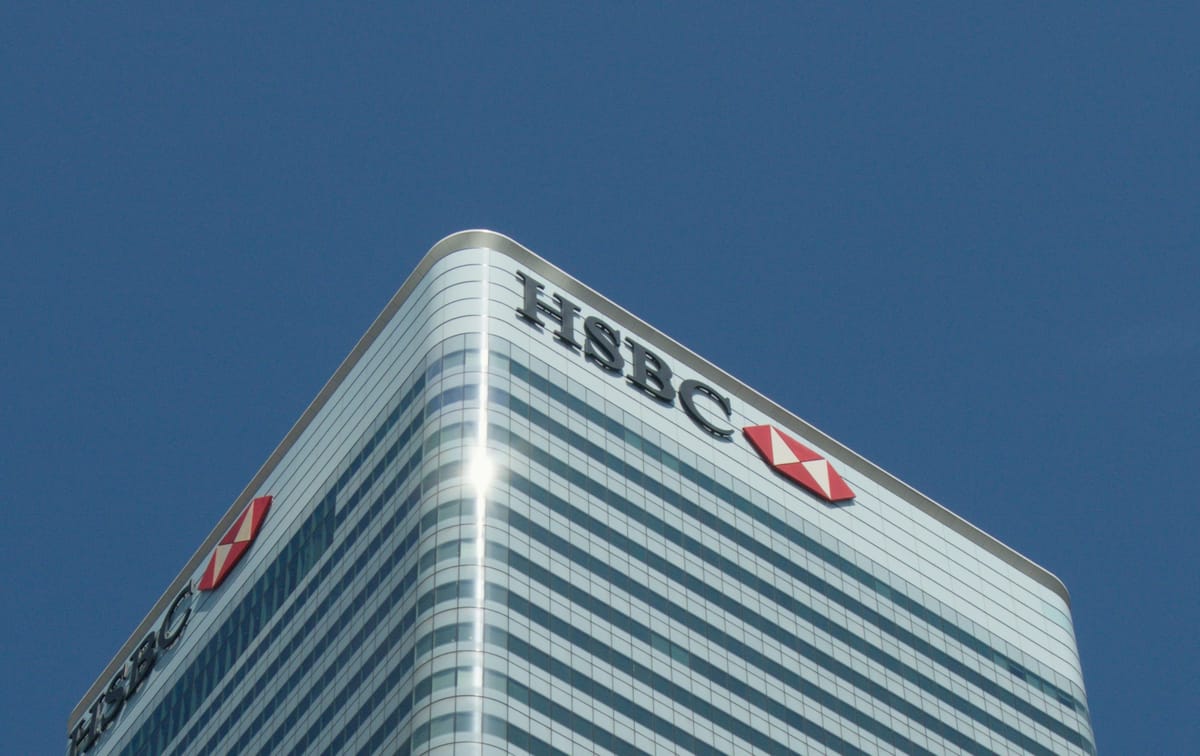
Checkout our previous coverage of this high-leveraged investment opportunity available until September 30th, 2026.
2. Risk Appetite and the Ghost of 2013
The current GIFT City rush is not India’s first rodeo. The structure heavily mirrors the aggressive macro-play orchestrated by the RBI in 2013 to defend a collapsing Rupee, which successfully brought in $34 billion via leveraged FCNR accounts.
However, conservative risk committees at banks like Standard Chartered remember the structural lessons of extreme leverage. At a 19x multiple, the investor’s equity margin is a razor-thin 5%.
While the loan is technically fully secured against the matching $2 million FCNR deposit within the same bank, any severe institutional operational friction, abrupt global interest rate shocks, or unexpected regulatory unwinds by the RBI can trigger complex corporate headaches.
Standard Chartered's decision to stick to a 9x structure—yielding a still-attractive 8% to 9% return—is a deliberate choice to prioritize risk compliance over raw volume.
🌐 Diaspora-Focused & Noise-Free
⚡Get plain-English analysis on the structural issues, economic stories, and macro events that directly impact the global diaspora.
We are entirely free of clickbait ads and have no paywalls. If you value this high-signal experience, sharing this article on Reddit, Facebook, or LinkedIn goes a long way in supporting our independent framework.
3. Distribution Dominance vs. Regional Sourcing
The final factor is pure distribution architecture.
Domestic banks like SBI typically capture retail NRI capital out of the Gulf (UAE, Oman, Qatar) and traditional blue-collar diaspora belts through standard remittance funnels. These clients favor simplicity, safety, and a long-term connection to India, making a 9x levered fixed deposit an easy sell without pushing extreme leverage limits.
HSBC, conversely, targets a highly sophisticated, ultra-high-net-worth segment of corporate executives, tech founders, and family offices based out of Singapore, the UK, and Silicon Valley. These clients understand institutional carry trades, demand double-digit yields on their dollar assets, and possess the financial sophistication to hold an illiquid 19x position for half a decade without flinching.
Summary
The GIFT City deposit race reveals that not all banking assets are created equal.
HSBC's $5.5 billion surge is a masterclass in leveraging a global liquidity footprint. However, the conservative 9x boundaries drawn by SBI and Standard Chartered serve as a crucial structural guardrail, reminding investors that even in a sovereign-backed ecosystem, leverage remains a double-edged sword.
 Newsdesk
Journalistic Coverage Only:
The contents of this article are published strictly for informational, educational, and journalistic analysis regarding developments in GIFT City or within the Indian ecosystem.
Gujarat.news is an independent publication and does not provide formal financial, legal, or investment advisory services.
Cross-Border Risks:
Leveraged financial structures involve severe liquidity risks, institutional break penalties, and unique jurisdictional cross-border tax implications (such as FATCA/PFIC regulations for US-based NRIs).
Readers are strongly urged to consult a certified cross-border financial planner and a registered tax advisor before engaging with any structured wealth management products.
 Newsdesk
Feature image credit: Alexander Mils


