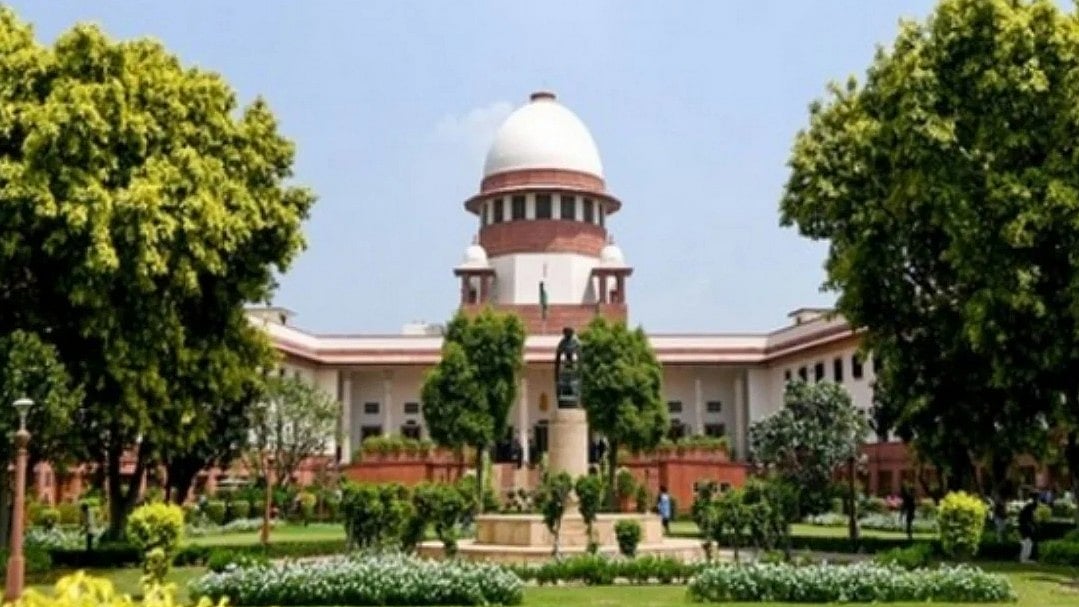
Supreme Court Appointment: Call to Publish Dissent Note

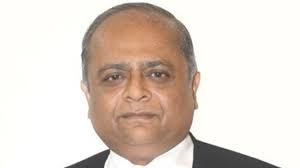
The elevation of chief justice of Patna high court Justice Vipul Pancholi to the Supreme Court has come along with the reports of a dissent note by the apex court’s collegium member Justice B.V. Nagarathna which must start afresh the discussion on the need to have better transparency in the appointment of judges in the higher judiciary. A section of senior lawyers points out that Justice Pancholi’s elevation suffers from several flaws — that he had a relatively low rank vis-a-vis all-India seniority; he represents the Gujarat high court which already has two judges in the 34-judge apex court when the total number of high courts in the country is 25; the Supreme Court has only one woman judge as thee senior woman judges were ignored though there was no appointment of a woman judge in the apex court after 2021, and Justice Pancholi’s transfer from Gujarat high court to Patna high court was not a routine transfer. Justice Abhay S. Oka who recently retired from the apex court has endorsed the demand for making the dissent note of Justice Nagarathna public, saying the public has a right to know what it contains. The Supreme Court has, through a series of judgments in the past, made the appointments to the high courts and the Supreme Court exclusively a judicial responsibility, much against the spirit of the constitutional provisions governing it; it even struck down a Constitution Amendment Act giving the government of the day a role in the process. It is then imperative that the apex court remain transparent in every decision that it takes on the matter. Now that the new judge is in line to become the chief justice of India, his elevation ought to have been an immaculate one. The court must take early steps to make the assenting and dissenting notes public and allay the concerns of the bar and the general public. There is no limit to transparency in this and other matters.
Source: Deccan Chronicle