Genetically Modified Pig Organs Show Promise for Human Transplants Amid Shortage

AI-Generated Summary
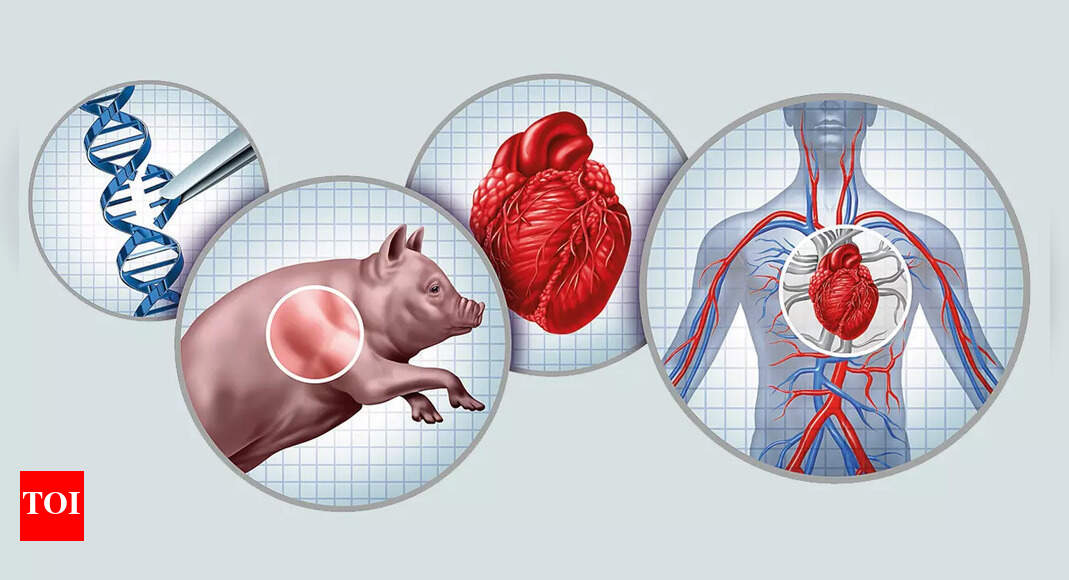
Scientists are making significant strides in xenotransplantation, utilizing genetically modified pig organs to address the critical shortage of human organs. Recent advancements include a pig lung functioning for nine days in a brain-dead man and a pig kidney sustaining an American patient for several months. While offering immense hope for those awaiting transplants, the field still faces challenges such as organ rejection, potential zoonotic virus transmission, and ethical concerns.
In a nutshell
These medical advancements represent a potential paradigm shift in organ transplantation, offering a future where a severe shortage of human organs might be mitigated. However, the long-term viability, safety from cross-species virus transmission, and complex ethical considerations demand thorough ongoing research and public discourse.
Source: Times of India